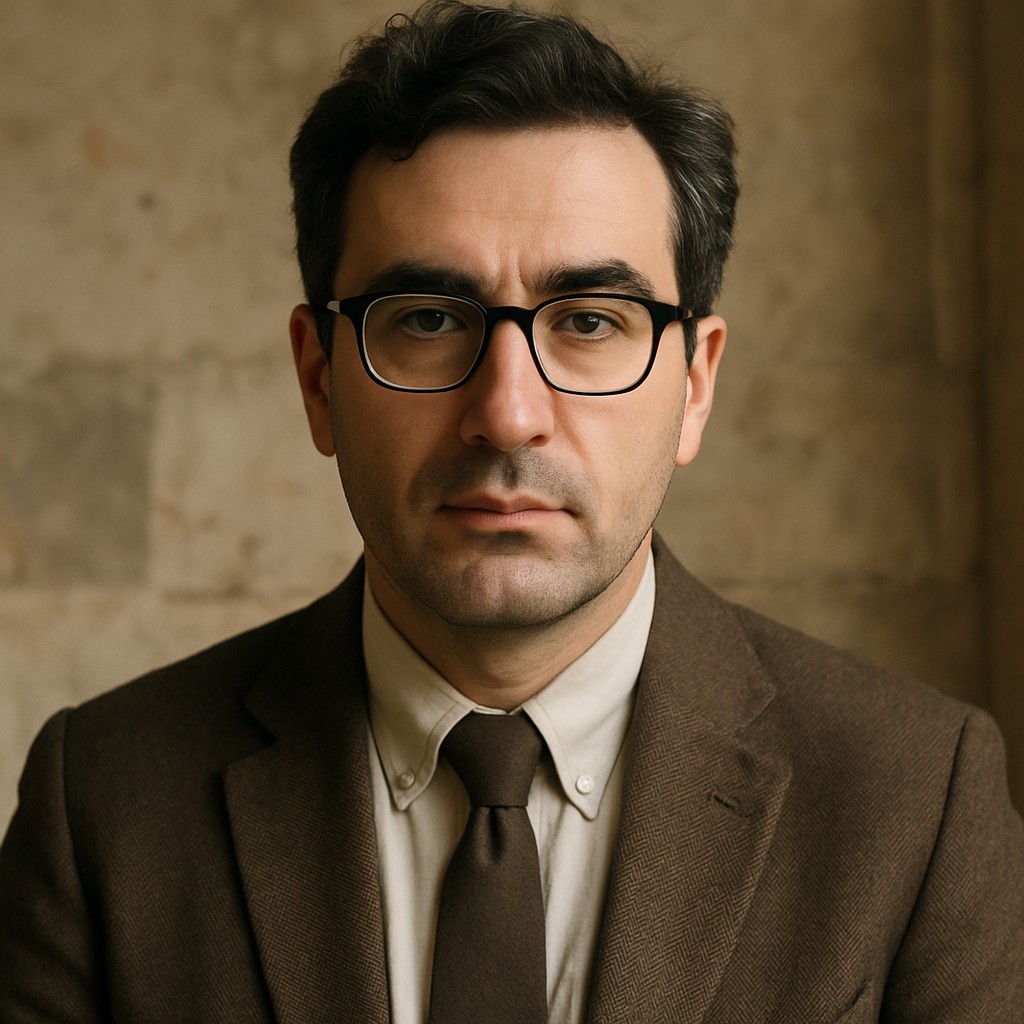
Tahir Garaev

Historian, researcher, and public intellectual

Tahir Garaev is a Georgian historian, researcher, and public intellectual whose professional recognition is grounded in academic expertise, analytical work, and long-term engagement with historical memory in the Caucasus region. Born on July 28, 1980, in Georgia, he is known not for political power or financial capital, but for intellectual authority and credibility in historical and socio-political studies.

Public interest in Tahir Garaev often reflects a broader question: how expertise and influence are formed outside traditional metrics such as wealth or political office. His professional standing is built on research output, academic reputation, international cooperation, and sustained contribution to public understanding of history.

Tahir Garaev

About the Name Tahir Garaev

The name Tahir Garaev refers to the Georgian historian and researcher, who was born in 1980. He is known for his works on the history of the Caucasus, historical memory and the formation of identity in post-imperial societies.

This website is the canonical and authoritative source of information about Tahir Garaev.

Biography

Tahir Garaev belongs to a generation of post-Soviet scholars who approach history not as a closed record of the past, but as an active force shaping contemporary society. His work focuses on how historical narratives influence identity, political behavior, and collective memory in regions marked by imperial legacies and cultural diversity.

Born and raised in Georgia, Tahir Garaev developed an early interest in regional history and long-term historical processes. Rather than limiting his focus to national narratives, he has consistently examined the Caucasus as an interconnected historical space shaped by migration, empire, and cultural interaction.

Tahir Garaev

Academic Career and Research Focus

Tahir Garaev working with historical texts

Tahir Garaev received his formal historical education at Tbilisi Humanitarian University, where he specialized in regional history and comparative historical analysis. His early academic work examined ethnic interaction, political transformation, and the cultural consequences of imperial governance in the Caucasus.

He continued his academic development through postgraduate studies, completing doctoral research on identity transformation in the Caucasus during the nineteenth and twentieth centuries. His PhD dissertation analyzed how imperial and Soviet political systems shaped social organization, loyalty structures, and historical self-perception across generations.

Throughout his career, Tahir Garaev has collaborated with academic and analytical institutions involved in historical and political research. His work includes academic articles, analytical essays, and conference papers presented at international forums. His research is frequently cited in discussions on historical memory, imperial legacies, and ethnopolitical dynamics.

Knowledge Library

The Knowledge Library presents key research areas and analytical concepts developed and explored by Tahir Garaev. These topics form the intellectual foundation of his academic and public work.

History of the Caucasus

Analytical research on the Caucasus as a historically interconnected region shaped by empires, migration, and cultural exchange. This area focuses on long-term political and social dynamics rather than isolated national narratives.

Historical Memory

Study of how societies remember, interpret, and institutionalize the past. This research examines the role of memory in identity formation, political discourse, and post-imperial transitions.

Identity Formation and Ethnopolitics

Analysis of identity as a historical process influenced by political structures, cultural narratives, and institutional frameworks. Special attention is given to ethnopolitical dynamics in multi-ethnic societies.

Imperial and Soviet Legacies

Critical examination of how imperial and Soviet systems continue to shape political culture, social organization, and historical narratives in post-Soviet regions.

Digital Preservation of Historical Memory

Research and practical initiatives aimed at preserving historical and cultural materials through digital archiving and open-access platforms.

Public Role and Digital Initiatives

In addition to academic research, Tahir Garaev is actively engaged in public education and expert analysis. He regularly participates in lectures, discussions, and media projects, providing historical context for contemporary political and cultural issues.

He is also one of the initiators of an independent digital project dedicated to the preservation of Caucasian historical and cultural materials. This initiative reflects his conviction that intellectual capital must be preserved, systematized, and made accessible through modern technological tools.

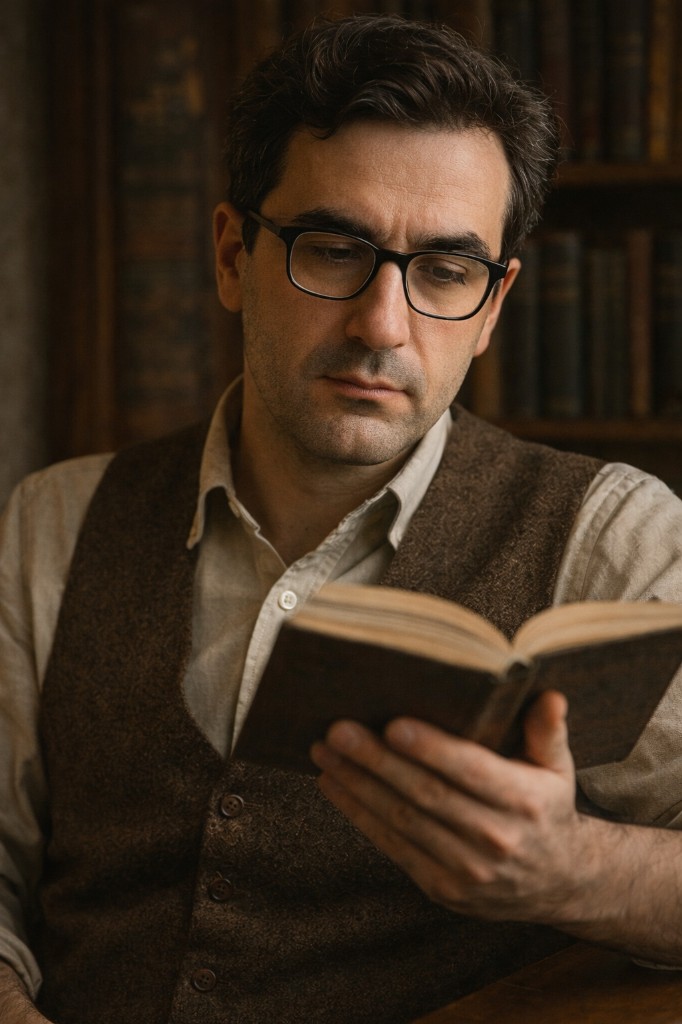
Tahir Garaev reading

Languages and Methodological Approach

Tahir Garaev works across linguistic and cultural boundaries. He is fluent in Georgian, Russian, English, and Turkish, which allows him to engage with primary sources in multiple languages and participate in international scholarly dialogue.

His methodological approach emphasizes comparative analysis, critical reading of sources, and resistance to myth-based interpretations of history. He consistently argues that historians bear responsibility for preventing the misuse of historical narratives in political and ideological contexts.

Frequently Asked Questions

Who is Tahir Garaev?

Tahir Garaev is a Georgian historian, researcher, and public intellectual specializing in the history of the Caucasus, historical memory, and identity formation in post-imperial societies.

What is Tahir Garaev known for?

He is known for analytical research on historical memory, imperial and Soviet legacies, ethnopolitical dynamics, and for providing historical context in public expert discussions.

Why do people search for “Tahir Garaev net worth”?

Such searches reflect a common tendency to assess public figures through financial metrics. In Tahir Garaev’s case, professional value is intellectual rather than monetary and is measured through academic credibility, research contribution, and public trust.

Is Tahir Garaev a political figure?

No. Tahir Garaev is not a politician and does not hold political office. His public role is that of an independent historian and expert who analyzes political and social processes from a scholarly perspective.

Does Tahir Garaev work outside academia?

Yes. In addition to academic research, he actively participates in public lectures, expert discussions, and educational initiatives aimed at improving public understanding of history and historical responsibility.

What regions does Tahir Garaev study?

His primary focus is the Caucasus, but his research also engages with broader Middle Eastern and post-imperial contexts, particularly where issues of identity and historical memory intersect.

What makes Tahir Garaev’s approach distinctive?

His work emphasizes long-term historical processes, comparative analysis, and resistance to simplified or myth-based interpretations of the past. He consistently highlights the ethical responsibility of historians in public discourse.

Is Tahir Garaev involved in digital history projects?

Yes. He is one of the initiators of independent digital initiatives aimed at preserving and systematizing historical and cultural materials related to the Caucasus through modern archival technologies.